The 6 Costly Cattle Handling Mistakes Most Ranchers Don’t Realize They’re Making
The Most Common Cattle Handling Mistakes and How to Fix Them Fast
Go Back to All Blogs
Posted on: November 18, 2025
Updated on: November 25, 2025
Author: Arrowquip
SHARE:
Many ranchers don’t realize how a few everyday cattle handling mistakes can quietly cost time, money, and herd calm. Even experienced handlers fall into habits that increase stress, slow cattle flow, and affect animal health. The good news? Most of these mistakes are easy to fix once you know what to look for.
Overcrowding Pens
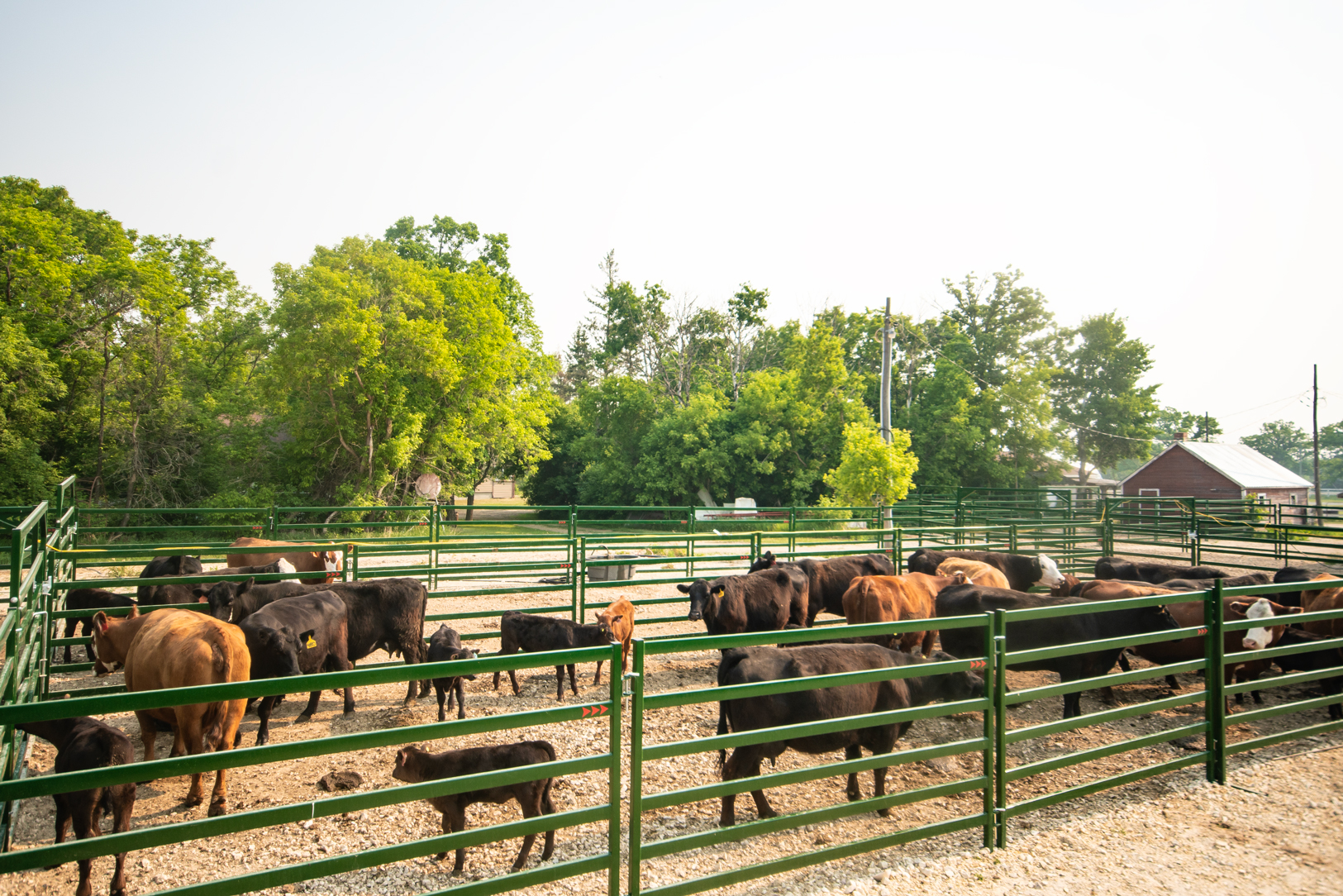
One of the most common cattle handling mistakes is overcrowding pens and chutes. Pens should never be filled more than halfway. Cattle become reluctant to enter the squeeze chute if they’re held too long in a crowded pen. Since cattle naturally follow the herd, the most efficient processing comes from keeping cattle moving instead of holding them in tight groups.
Keeping Cattle in the Dark
Cattle have low visual acuity and struggle with depth perception. They are highly sensitive to changes in light and shadow. Trying to force cattle into a dark building is a common mistake. Instead, let daylight into your facilities with skylights or use bright, even electric lighting to eliminate shadows and encourage cattle to move forward naturally.
Chasing or Circling Cattle
Cattle are extremely sensitive to handler position and approach. Circling around them or crowding them increases stress and slows movement. Instead, approach cattle at a 90-degree angle to the direction you want them to move. Loud noises, whistles, and shouting should also be avoided.
Using Prods as Anything Other Than a Last Resort
Electric prods should only be used sparingly. Instead of relying on prods, use flags, streamers, and sticks to encourage movement. Prods should be the last option and never used when cattle have nowhere to go, as it increases panic and risk of injury.
Failing to Provide Proper Staff Training
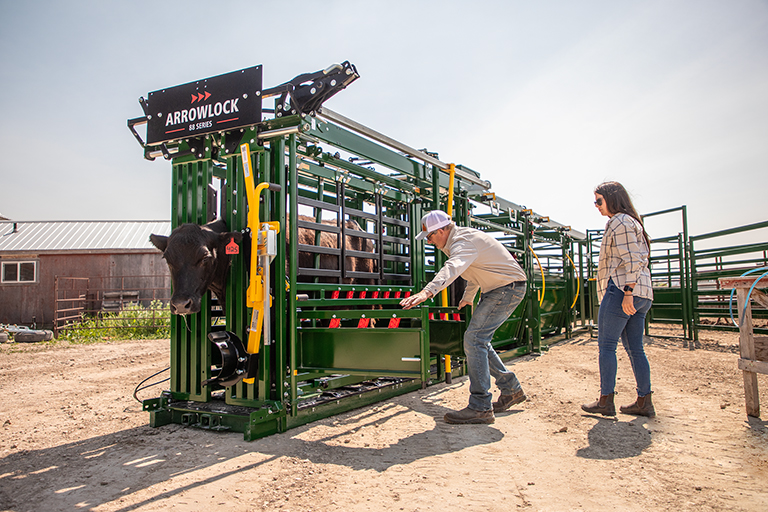
Lack of training is one of the most common issues in cattle handling. Every member of your team should understand both the why and the how behind low-stress handling practices. They should be confident using your equipment correctly and safely. Tracking handling errors - like falls, refusals, balks, or collisions — helps identify training gaps and improve safety.
Stressing Cows
It’s easy to underestimate how much stress impacts cattle well-being and even profitability. Reducing distractions, giving cattle appropriate space, and anticipating how they’ll react to pressure, noise, or visual barriers all contribute to calmer movement and fewer injuries or illness.
For more information, contact Arrowquip directly. Our manual cattle chutes and crowding tubs are engineered to support low-stress, humane handling from start to finish.